

Sports Parenting
The Valiant Parenting Playbook
10 Principles for a Healthier Sports Journey
The way you show up — on the sideline, in the car, at the dinner table, and in the decisions you make — can shape your child's confidence, emotional well-being, physical health, development, and lifelong relationship with sports.
A Moment to Remember
Long after the final whistle, your child will remember how you made them feel — not what their stats were.
Why It Matters
Parents Have a Powerful Influence on How Young Athletes Experience Sports.
Parents don't control every part of the youth sports experience. You can't control the coach, the officials, playing time, teammates, injuries, or the outcome.
But you have tremendous influence over how your child experiences those things.
What you say before the game. How you react afterward. The questions you ask. The pressure you create — or relieve. The decisions you make about teams, training, specialization, injuries, and recruiting.
All of it can influence your child's confidence, identity, emotional and mental well-being, physical health, and whether sports remain a source of joy.

Being a great sports parent isn't about being perfect. It's about being informed.
What the Research Tells Us
of youth athletes discontinue organized sports by age 13.
American Academy of Pediatrics, 2024
greater risk of overuse injury for highly specialized young athletes compared with athletes with low specialization.
American Academy of Pediatrics / Pediatrics
Former players were more than twice as likely as current players to report being pressured by parents to play when they didn't want to.
Aspen Institute Project Play
Before You Act
Ask Yourself
Important sports parenting decisions
often begin with a few simple questions.
"Is this what my child wants — or what I want for them?"
"Am I making this decision from opportunity — or fear of falling behind?"
"Is this helping their development — or simply adding more?"
"Will this decision support their emotional and physical well-being?"
"Will this help create more happy moments?"
The Valiant Parenting Playbook
10 Principles for a Healthier Sports Journey
You can't control every coach, outcome, opportunity, or disappointment your child encounters in sports. But you can control how you help them navigate the journey. These 10 principles are designed to help you protect what matters most — their well-being, development, relationships, and love of the game.
Be Valiant guests also share their own practical guidance for sports parents in The Valiant Parent Playbook — a separate collection of guest leave-behinds drawn from their conversations.
Lead with Love, Not Fear
Make decisions based on what's best for your child — not the fear that they will fall behind, miss an opportunity, or lose their place.
Prioritize Development Over Game Results
Focus on growth, learning, and long-term development rather than chasing wins, rankings, and early success.
Value Culture Over Credentials
The environment surrounding your athlete matters. Look beyond trophies, reputations, and résumés to the people and culture shaping your child.
Encourage Multi-Sport Play
Give young athletes opportunities to move differently, develop broadly, discover new interests, and avoid being unnecessarily locked into one sport, one club, or one coach.
Protect Their Identity Beyond the Game
Your child is more than an athlete. Help them develop relationships, interests, confidence, and a sense of self that isn't dependent on sports performance.
Speak Up When Necessary
Parents should not interfere with every challenge, but there are moments when advocating for your child's physical safety, emotional well-being, or healthy development matters.
Make Memories, Not Just Milestones
Championships, rankings, scholarships, and achievements matter far less over time than the relationships, experiences, laughter, friendships, and memories created along the way.
Create a Culture of Positivity at Home
Make home the place where athletes feel supported regardless of the scoreboard, playing time, mistakes, or performance.
Support the Whole Team
Healthy sports communities require more than supporting your own child. Respect teammates, coaches, officials, volunteers, opponents, and the families sharing the journey.
Understand the Financial Reality
Understand the financial realities of youth sports before allowing fear, promises, or the pressure to keep up to drive spending decisions. More expensive does not automatically mean better development or greater opportunity.
The Car Ride Home
The Game Is Over. Parenting Isn't.
What happens in the minutes after competition can shape how an athlete processes success, disappointment and their relationship with sports.
Before you analyze the game, give your athlete the floor. Sometimes they want to talk. Sometimes they need you to listen. Sometimes they need silence.
And sometimes… just go get ice cream.
Sports Parent Self-Awareness
How Do You Show Up?
There isn't one kind of sports parent — and most of us aren't the same sports parent in every situation.
Our behavior can change with the stakes, the coach, the season, our child's age, our expectations and our own stress.
The goal isn't to label yourself. It's to recognize how the way you show up may feel to your athlete.
Encouragement without attachment to the outcome.
How it shows up
Encourages effort, growth and enjoyment while providing unconditional support regardless of results.
What your athlete may feel
Confidence. Emotional safety. Freedom to enjoy the game.
TRY THIS → Keep supporting the person, not just the performance.
When their sports journey starts becoming yours.
How it shows up
The child's sports success begins to carry significant emotional importance for the parent. More training, more competition and more achievement can start to feel necessary.
What your athlete may feel
Pressure. Stress. Fear of disappointing you.
TRY THIS → Ask whether the next step is something your athlete wants — or something you want for them.
Enthusiasm is powerful — when it's the support they want.
How it shows up
Brings enthusiasm, encouragement and positive energy to games and competitions.
What your athlete may feel
Support and confidence — though too much attention can sometimes become distracting or embarrassing.
TRY THIS → Ask your athlete what kind of encouragement feels supportive to them.
When the athlete starts hearing two coaches.
How it shows up
Gives technical instructions from the sideline, analyzes performance immediately afterward or provides direction that may compete with the coach's.
What your athlete may feel
Confusion about whose instructions to follow.
TRY THIS → Be the parent. Let the coach coach.
Space can feel like independence — or absence.
How it shows up
Watches quietly and gives the athlete considerable independence.
What your athlete may feel
Support — or uncertainty about whether you're interested.
TRY THIS → Ask your athlete what kind of involvement feels supportive to them.
When mistakes get more attention than growth.
How it shows up
Mistakes, effort or performance problems receive more attention than progress, courage or enjoyment.
What your athlete may feel
Fear of mistakes. Lower confidence. Approval tied to performance.
TRY THIS → Make sure your athlete hears what you value beyond what went wrong.
When your sports community becomes part of the decision.
How it shows up
Youth sports becomes an important source of friendships, community and social connection for the parent.
What your athlete may feel
A strong sense of community — but potentially pressure to stay in a program because the adults value the relationships.
TRY THIS → Enjoy your sports community while keeping your athlete's needs separate from your own friendships.
Knowing when to advocate — and when to let them handle it.
How it shows up
Closely monitors safety, fairness, coaching and the athlete's well-being and is prepared to advocate when necessary.
What your athlete may feel
Safety and support — but too much intervention can limit independence and ownership.
TRY THIS → Know when your child needs your advocacy and when they need the chance to handle something themselves.
Presence isn't only measured by attendance.
How it shows up
Work, family circumstances, competing responsibilities or personal choices result in limited involvement in the athlete’s sports experience.
What your athlete may feel
Some athletes become highly independent. Others experience the absence as a lack of interest or support.
TRY THIS → Presence does not require attending every event. Find meaningful ways to communicate interest and support.
Support the athlete. Protect the relationship. Keep perspective.
How it shows up
Encourages effort, supports goals, maintains perspective, allows the athlete ownership and recognizes that sports is only one part of childhood.
What your athlete may feel
Confidence. Independence. Resilience. Joy. The freedom to develop their own relationship with sports.
TRY THIS → Balance isn't perfection. Keep listening, adjusting and letting the relationship matter more than the result.
A Moment to Reflect
Which Parent Are You?
Probably More Than One.
The goal isn't to find your label. It's to notice when the way you're showing up is helping your athlete — and when it might be time to adjust.
"Will this help create more happy moments?"
Explore Athlete Well-Being
Sports Parenting Shapes Well-Being
The decisions adults make around youth sports don't exist in isolation. They can influence how young athletes feel, develop, recover, compete, and see themselves.
Learn Pathway
Emotional Well-Being
Learn Pathway
Physical Well-Being
Learn Pathway
Sports Parent Well-Being
Stay Connected
Keep Learning. Help Your Athlete Thrive.
Get practical guidance, new Be Valiant conversations, and trusted resources for your family's sports journey.
Free. Practical. Built for sports parents.
A Valiant Sports Society Original
Learn through Conversation
Learn From Be Valiant
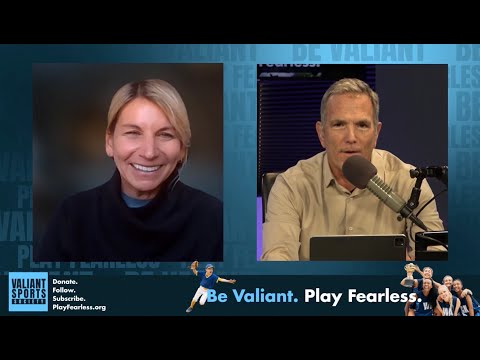
Real conversations with athletes, parents, coaches, researchers, and experts exploring the decisions, challenges, and experiences that shape youth sports.


Articles & Research
Keep Learning
Explore research, expert perspectives, and practical guidance to help you make informed decisions throughout your family's sports journey.
Survey Reveals the Extent of Pressure Parents Put on Kids Through Sports
A new Aspen Institute Project Play survey of nearly 4,000 youth ages 10–17 reveals that parental pressure — not bad coaching or injury — is the leading reason kids quit sports. The findings are a wake-up call for every sports parent.
Read More Parent Education'Don't Be a Helicopter Parent': Annika Sorenstam's Tips for Your Kid's Sports Experience
Golf legend and 10-time major champion Annika Sorenstam was once so shy she would intentionally lose junior tournaments to avoid speaking in public. Now a sports mom herself, she shares what she's learned about fostering independence, going with the flow, and letting kids lead their own journey.
Read More Parent Education10 Misconceptions About Kids Sports — and How Parents Can Push Against Them
From 'winning leads to advancement' to 'you need to specialize early,' Steve Borelli breaks down the 10 most common delusions sports parents hold — and what the research actually says about each one.
Read MoreTrusted Resources
Continue Your Learning
Explore trusted organizations offering additional research, tools, and guidance for sports parents.
Aspen Institute Project Play
Research, policy, and practical tools focused on making sports more accessible, enjoyable, and developmentally appropriate for all kids.
Visit Resource →Positive Coaching Alliance
Training and resources for parents, coaches, and administrators to create a positive, character-building youth sports environment.
Visit Resource →TrueSport
A national movement promoting the values of sport — respect, excellence, fun, and community — for athletes, coaches, and parents.
Visit Resource →MomsTEAM Institute
Evidence-based resources for sports parents on safety, concussions, mental health, and creating healthier youth sports environments.
Visit Resource →Your Influence Matters
Every Parent Can Make a Difference.
You don't need to have every answer. You don't need to understand every recruiting pathway, know every rule, or make every decision perfectly.
You need good information, perspective, and the courage to put your child's well-being first. That's what Valiant Sports Society is here to help you do.
Watch Be Valiant
Subscribe to our YouTube channel for video content, interviews, and the Be Valiant series.
Subscribe on YouTubeBE VALIANT.
PLAY FEARLESS.