
The Problem and Solution in Youth Sports

Problem & Solution
Reshaping the expectations of the youth sports experience.
"I say put mental health first. Because if you don't then you're not going to enjoy your sport and you're not going to succeed as much as you want to.
The Problem
Today's youth sports ecosystem is under enormous pressure — from profit-driven club structures to rising rates of burnout, injury, and mental health crises. The stakes have never been higher, and families deserve better tools to navigate it.
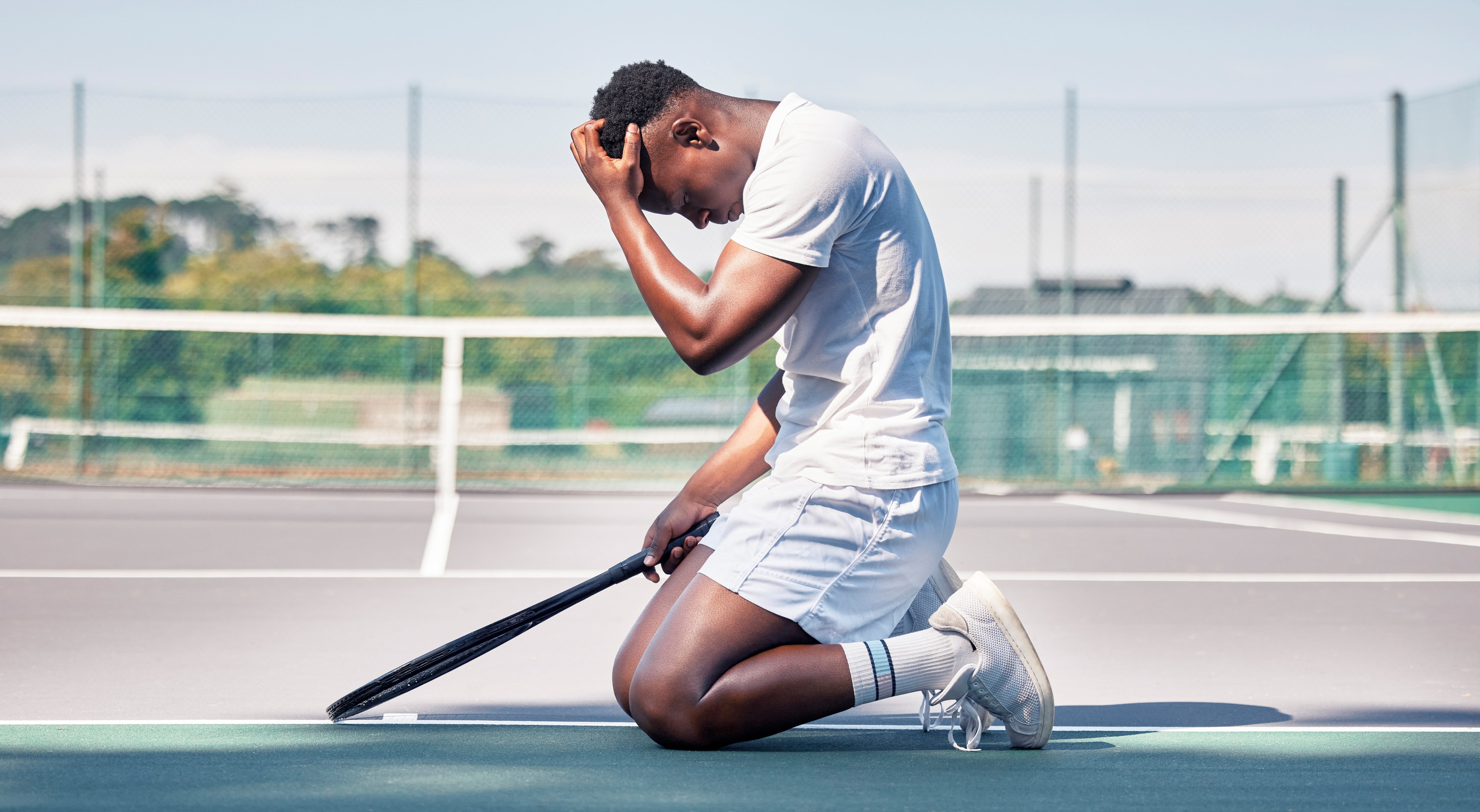
Business Driven Structure
Today's youth sports ecosystem is largely driven by a business-oriented structure, which frequently undermines its fundamental goal of fostering proper youth development.
Absence of a Clear Path
As parents, we expect our children's experiences to be navigable, but as athletes progress to higher levels of competition, the stakes increase. Finding clarity on the best path to follow can be challenging and stressful.
Physical Health Outcomes
The current competitive youth sports structure often pressures athletes to focus on a single sport year-round, leading to both short- and long-term physical health issues.
Mental Health Aftermath
These days we more frequently observe negative mental consequences that have long-lasting effects, extending beyond their active years in sports or activities.

There Is A Better Way.
The Solution
Our solution is to reshape the expectations of the youth sports experience, refine what constitutes success, and provide clarity on individual goals. We aim to achieve this by educating parents and community members through targeted initiatives — empowering families with the knowledge and tools to support their kids' athletic journey holistically, while advocating for policies that prioritize the well-being of young athletes.
Educate
Targeted initiatives to educate parents and community members on healthier youth sports practices.
Empower
Providing parents with the knowledge and tools to support their kids' athletic journey in a holistic manner.
Advocate
Advocating for policies and practices that prioritize the well-being and development of young athletes.
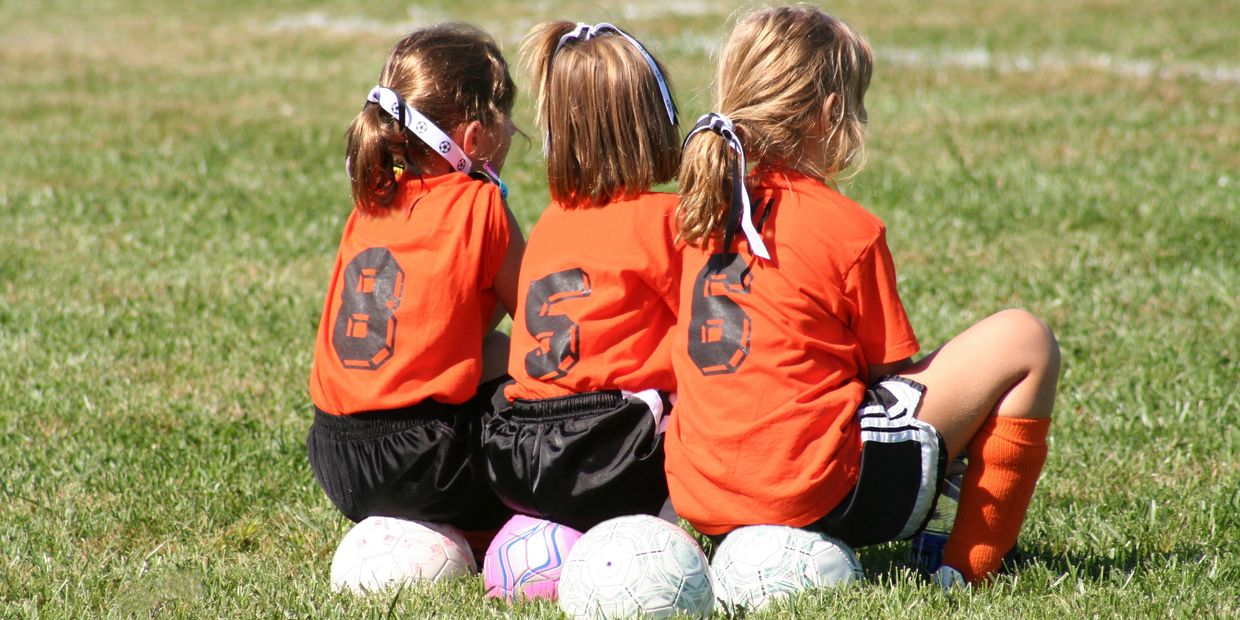
The Athletes
We recognize the unique mental and physical differences between boys and girls in youth sports. Physically, girls often excel in endurance sports earlier due to faster aerobic development. Boys typically experience later growth spurts, gaining more muscle mass and strength — enhancing performance in power-based sports. Boys and girls also face different injury risks, with girls more prone to ACL injuries and boys to fractures.
Mentally, boys and girls respond differently to competition and stress. By embracing these foundational differences, we hope to safeguard the mental and physical health of kids playing today — holding up a more nurturing, supportive, and inclusive environment for the next generation of athletes.
"Abuse in the NWSL is rooted in a deeper culture in women's soccer, beginning in youth leagues, that normalizes verbally abusive coaching and blurs boundaries between coaches and players.
Watch Be Valiant
Subscribe to our YouTube channel for video content, interviews, and the Be Valiant series.
Subscribe on YouTubeBE VALIANT.
PLAY FEARLESS.